

What is a Codicil and what is a Codicil used for?
A Codicil is a legal document used to amend an existing Will. While it can be a convenient way to update your wishes without needing to draft a new Will, a Codicil must meet strict legal requirements to be valid in England and Wales.

If a codicil is invalid, it can lead to confusion, disputes, and unintended consequences for your estate. In some cases, your original wishes may not be followed at all.
At HSR Law, we advise clients across England and Wales on updating wills safely and effectively. Below, we explain the most common reasons a codicil may be invalid and how to avoid them.
Improper Execution of the Codicil
For a codicil to be legally valid, it must comply with the same formalities as a will under the Wills Act 1837. It must:
- Be in writing
- Be signed by the testator (the person making it)
- Be witnessed by two independent witnesses (who are not beneficiaries or connected to beneficiaries)
If these requirements are not followed precisely, the codicil is likely to be invalid.
Lack of Testamentary Capacity
The testator must have mental capacity at the time the codicil is made. This means they must:
- Understand the nature and effect of the codicil
- Know the extent of their estate
- Be aware of those who may reasonably expect to benefit
If capacity is in doubt, for example due to illness, dementia, or age, the codicil may be challenged and declared invalid.
Undue Influence or Pressure
A codicil may be invalid if it was made under undue influence. This involves pressure, coercion, or manipulation by someone seeking to benefit.
While difficult to prove, if undue influence is established, the court can set aside the codicil (or the affected provisions).
Unclear or Contradictory Wording
A codicil must clearly:
- Identify the will it is amending (including the date), and
- Specify exactly what changes are being made
If the wording is ambiguous, inconsistent, or conflicts with the original will, it can create uncertainty. This may lead to disputes or even render the codicil ineffective or invalid.
Accidental Revocation of the Will
Poorly drafted codicils can unintentionally revoke part, or all, of the original will. This risk arises where:
- A general revocation clause is included, or
- The codicil is not properly integrated with the will
Professional drafting ensures your codicil updates your will without undermining it.
Other Grounds for an Invalid Codicil
A codicil may also be invalid in the following situations:
- It is forged or fraudulent
- A later valid will revokes the earlier will and codicil
- The testator marries after making the will or codicil (unless made in contemplation of marriage)
In these cases, the codicil will not take effect, and the estate may be distributed differently than intended.

Are you thinking of updating your Will?
Although codicils can be a practical solution, mistakes in drafting or execution can have serious long-term consequences so seeking advice is recommended.
At HSR Law, our experienced private client solicitors provide clear, practical advice to ensure your wishes are properly documented and legally valid.
If you are thinking of updating your will and need advice on the best way to do this then contact HSR Law today on 01302 347800.
Your When Is a Codicil to a Will Invalid? Team








Wills and Codicil Frequently Asked Questions
You are not legally required to use a solicitor. However, codicils must meet strict legal standards, and mistakes are common. At HSR Law, we ensure your codicil is valid, clearly drafted, and aligned with your overall estate planning. For more information see this useful article on the Citizens Advice website.
While codicils can be useful, they are not always the best option. Some of the risks include:
1. Contradictions with the original will;
2. Confusion if multiple codicils exist;
3. Increased likelihood of disputes during probate;
4. If you are making more than minor changes, a new will is often the safer approach.
The cost depends on the complexity of the matter and whether legal advice is required. At HSR Law, simple codicils typically range from £100 to £250, with clear fixed fees agreed in advance. For more information please contact us on 01302 347800.
Usually, yes, particularly for straightforward updates such as changing the executors or detailing small gifts. However, if your circumstances have changed significantly (for example, marriage, divorce, or new assets), creating a new will is often more appropriate and more cost-effective in the long term.
Wills & Lasting Powers of Attorney Solicitors in Doncaster

Wills & Lasting Powers of Attorney Solicitors in Epworth
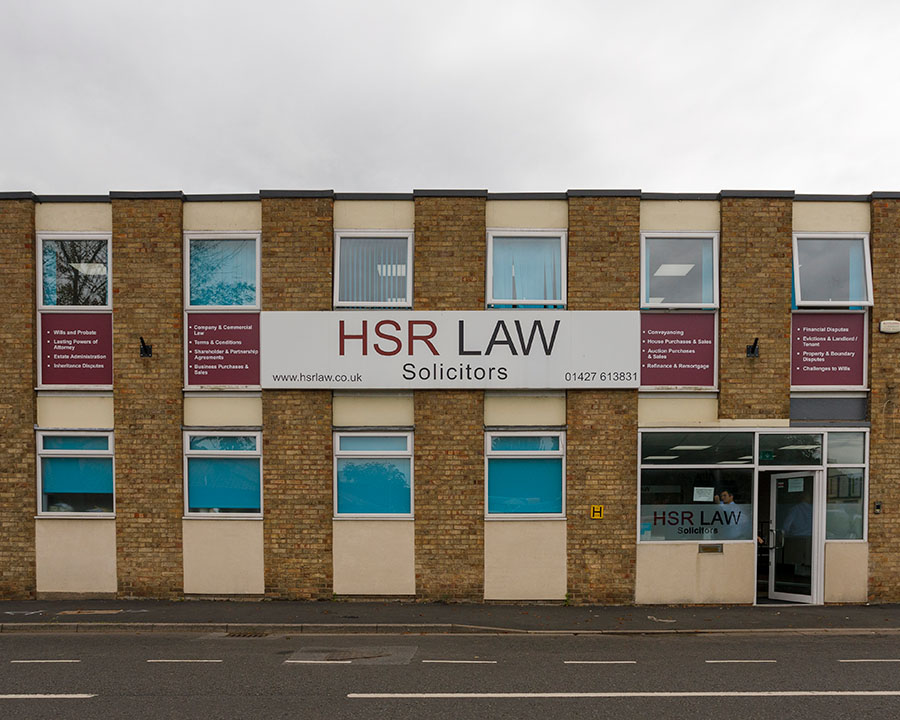
Wills & Lasting Powers of Attorney Solicitors in Gainsborough

Wills & Lasting Powers of Attorney Solicitors in Mexborough